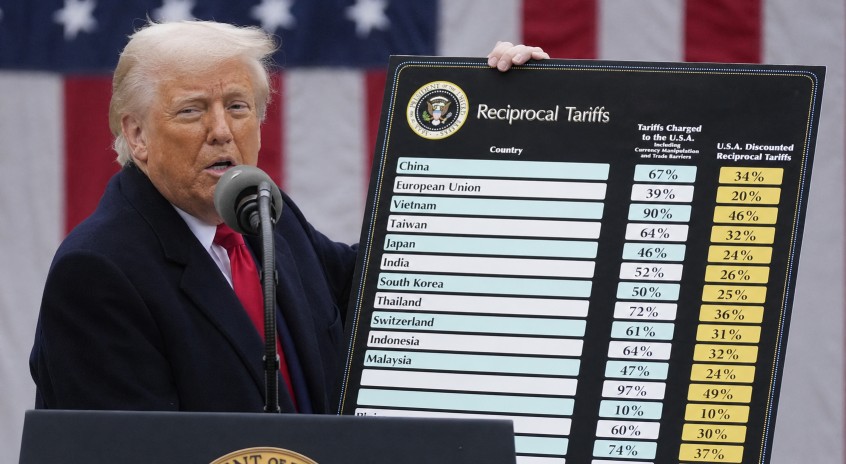
In a significant move in US trade policy, President Donald Trump has declared a new series of tariffs on imports from over 80 nations, effectively replacing the temporary 10% global tariff that recently expired. These tariffs, varying between 10% and 12.5%, will affect goods coming from countries such as the United Kingdom, European Union member states, Canada, Mexico, Australia, India, and China. The administration is implementing these measures under Section 301 of the US Trade Act of 1974, citing efforts to tackle concerns about forced labor within global supply chains. US Trade Representative Jamieson Greer emphasized that the United States expects its trade partners to fortify restrictions on imports associated with forced labor.
The announcement of new tariffs follows a US Supreme Court decision earlier this year that raised questions about the legality of previous tariffs imposed under emergency powers. This ruling pushed the administration to find an alternative legal basis for its trade actions. The decision has sparked criticism from several US allies, with countries like Australia and Brazil labeling the tariffs as unjustified and expressing their intention to seek their removal. Meanwhile, the European Union has requested clarity from Washington, with officials expressing surprise at the sudden move.
Canada has also voiced its opposition, arguing that it should not be targeted given its already robust measures against imports linked to forced labor. Canadian officials are advocating for a multilateral approach to the issue. Trade experts have raised concerns about whether the president possesses the constitutional authority to enact such sweeping tariff measures without the approval of Congress, and some legal analysts suggest that the new tariffs might be subjected to further judicial scrutiny.
Domestically, Trump’s tariff strategies continue to polarize public opinion. While the administration insists that its trade policies have bolstered the US economy and shielded domestic industries, recent surveys indicate that many Americans believe the tariffs have led to increased consumer prices. As global governments evaluate the economic repercussions of these tariffs and deliberate on potential responses, the latest measures add a new layer of unpredictability to international trade dynamics.