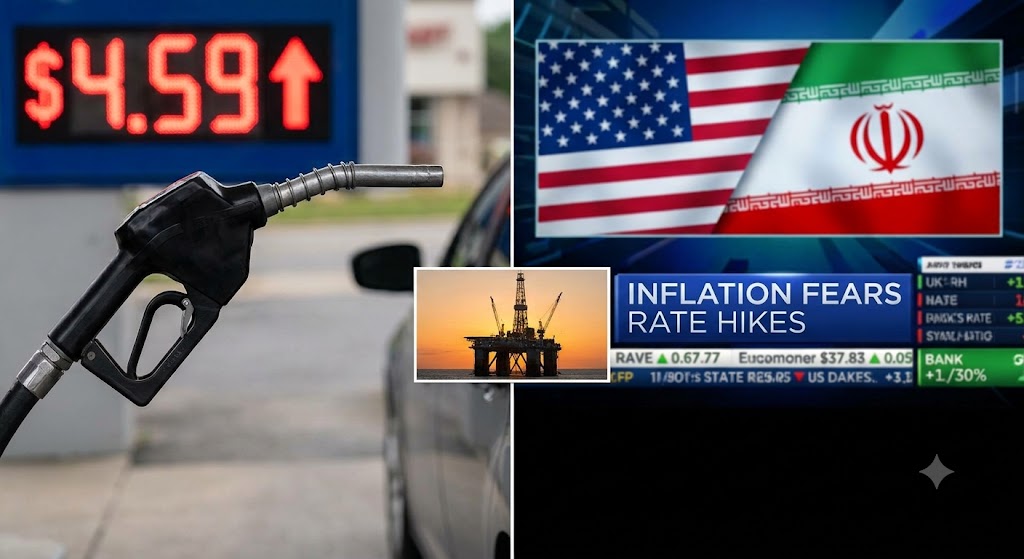
Amid escalating military tensions between the United States and Iran, global oil and gas prices have surged, fueling concerns about energy supplies and inflation. Brent crude experienced a significant spike, reaching its highest point in over a month. This surge, however, was tempered when U.S. President Donald Trump decided against implementing a proposed 20% fee on vessels traversing the Strait of Hormuz.
The increase in energy prices has prompted speculation that central banks, such as the Bank of England and the European Central Bank, might opt to raise interest rates later this year as a means to combat inflation. Meanwhile, bond yields saw an uptick, and European stock markets initially dipped before regaining some stability as apprehensions over the potential shipping levy subsided.
Market analysts suggest that the ongoing unrest in the Middle East could lead to sustained volatility in energy markets. This instability may have a broader impact, influencing global inflation trends and potentially affecting monetary policies in the coming months.
As the situation unfolds, stakeholders in the financial and energy sectors are closely monitoring developments, particularly the geopolitical dynamics that could further disrupt oil supplies. The Strait of Hormuz remains a critical artery for global oil transportation, and any disruption there could have significant repercussions on energy markets worldwide.