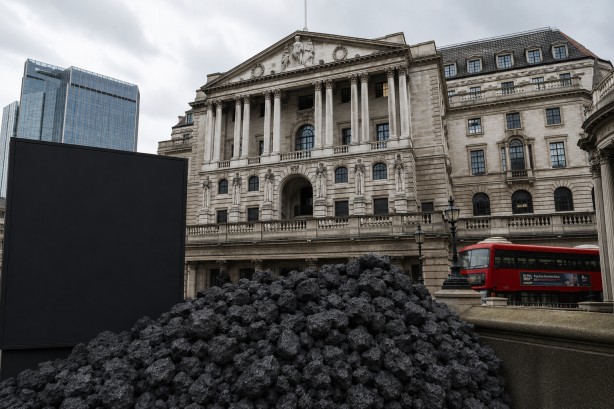
In a decisive move to address the financial risks associated with climate change, the Bank of England has declared that it will cease accepting bonds linked to thermal coal companies as collateral for its lending operations starting in October. This policy shift underscores the central bank’s commitment to mitigating the potential economic impacts of environmental factors.
Typically, commercial banks, including some of the largest lenders, use bonds as collateral when borrowing from the central bank. These transactions are essential for maintaining smooth day-to-day operations and facilitating financial transactions. However, under the new guidelines, bonds tied to thermal coal—which is predominantly used in power plants for electricity generation—will be deemed ineligible for such purposes.
The Bank of England has highlighted the increasing financial risks that companies involved in thermal coal face, as nations worldwide are intensifying their efforts to transition towards sustainable energy sources and achieve net-zero emissions. This transition poses a significant threat to the value of coal-related assets, which are likely to depreciate over time.
Additionally, the policy empowers the Bank of England to impose discounts on bonds from various other sectors that are susceptible to climate risks. This measure is intended to shield the central bank’s balance sheet from possible financial losses stemming from environmental factors.
Environmental advocacy groups have lauded this initiative, viewing it as a potent message to financial markets. They believe it could motivate commercial banks to decrease their investments in industries with high pollution levels. Notably, over 150 major financial institutions globally have already instituted restrictions on dealings with the thermal coal sector. Analysts, however, caution that the success of this policy will hinge on the methodology used to assess climate risks and whether similar strategies will be extended to other environmentally detrimental activities in the future.