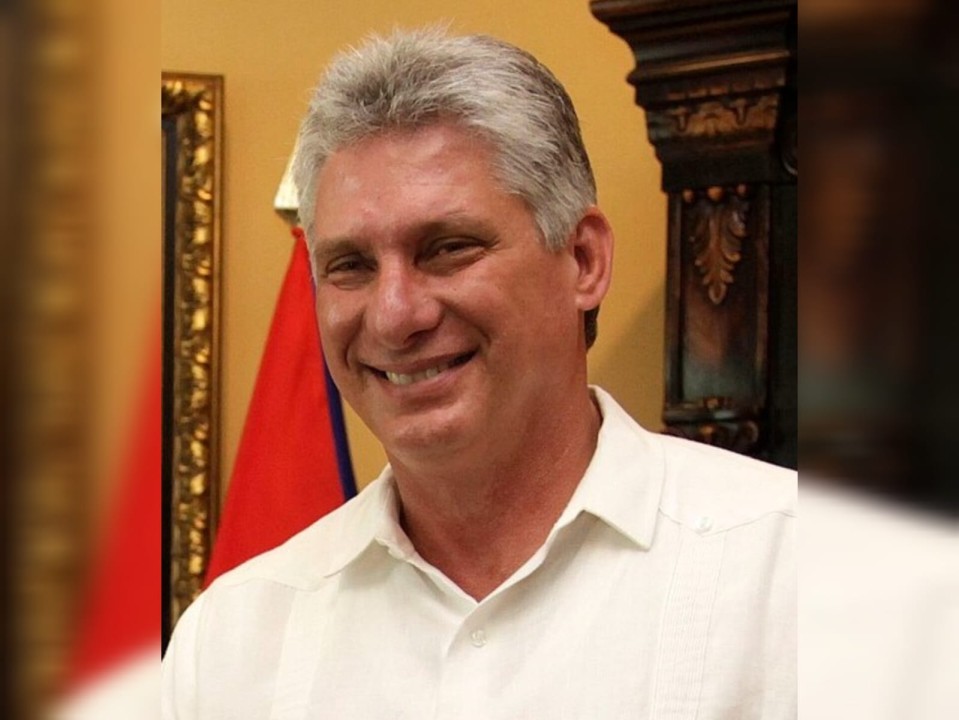
The United States has rolled out a series of new economic sanctions aimed at Cuba’s top officials, including President Miguel Díaz-Canel and his family, as well as members of the Castro family. This initiative is part of a broader campaign to exert pressure on the Cuban government. The sanctions also target entities associated with Cuba’s military and state-linked organizations, such as the Ministry of the Revolutionary Armed Forces and its affiliated institutions. Individuals connected to former President Raúl Castro, who despite not holding an official position, remains a significant influence in Cuba’s political landscape, are also included in these measures.
U.S. officials emphasize that this move is intended to heighten economic and diplomatic pressure on Havana. Secretary of State Marco Rubio has pointed out that those providing support to the sanctioned entities, including foreign banks and international companies, could also face repercussions. This step underscores the ongoing U.S. strategy to curb Cuba’s international and regional influence, especially under the administration of President Donald Trump, which has been marked by a tightening of economic and political constraints on the island nation.
This development occurs in the context of long-standing U.S. restrictions on Cuba, which have included a comprehensive economic embargo. In recent years, the relationship between the two countries has further soured, with U.S. officials accusing Cuba of political repression and meddling in regional affairs. Meanwhile, the Cuban government attributes its deepening economic struggles to these U.S. sanctions, arguing that they are a major factor in the nation’s financial difficulties.
The expanded sanctions are a continuation of efforts by the Trump administration to increase pressure not just on Cuba, but on other countries in the region deemed adversarial. This strategy reflects a shift from previous U.S. policies that sought to engage with Cuba, and instead focuses on isolating the Cuban leadership economically and diplomatically. The latest measures serve as a clear message from Washington that it intends to hold the Cuban government accountable for its actions both domestically and internationally.