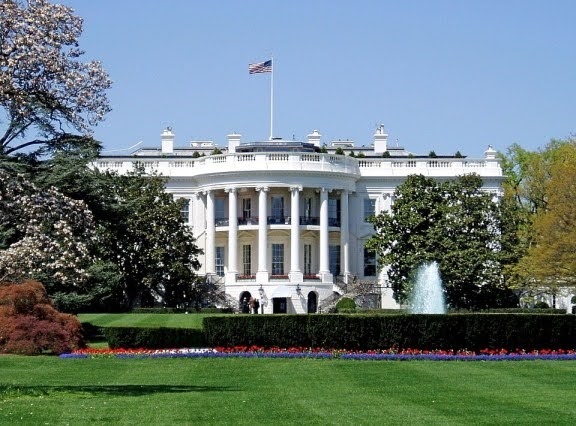
The White House has put forth a proposal that is causing unease among the academic and nonprofit sectors by suggesting more rigorous oversight of federal grants. This plan would require all grants funded by federal money to be in line with the president’s policy goals and to uphold what the administration calls “American values.” The reasoning behind the proposal is that previous funding programs backed ideological projects that did not resonate with the majority of Americans, thereby leading to what is seen as inefficient utilization of taxpayer funds. If these changes are approved, political appointees would gain increased power to evaluate, alter, or end grants that are considered misaligned with national interests.
Concerns have been raised that these proposed changes might undermine the peer-review system traditionally used to assess research proposals in the scientific and academic communities. There is apprehension that political factors could start to influence which projects receive funding, potentially impacting research in areas such as diversity, equity, and gender issues, which are often sensitive topics. The proposed rules would also limit the use of federal funds for some activities, such as international collaborations and studies exploring discriminatory impacts on protected groups. In addition, grant recipients might be required to meet new reporting standards, including offering long-term plans for conferences and research activities.
Many within the scientific and academic fields argue that these changes could slow down innovation, limit academic freedom, and reduce the United States’ competitiveness in the global research arena. They caution that such policy shifts could stifle creative and critical thinking that is essential for groundbreaking discoveries and advancements. On the other hand, proponents of the proposal argue that these reforms would ensure that federal funds are utilized in a manner that aligns with national priorities and reflects the interests of the general public.
The proposal is currently under consideration in the federal rule-making process, with the possibility of being implemented later this year if it is finalized. As the debate continues, researchers and academic leaders are closely monitoring the developments, concerned about the potential long-term impacts on their fields and the broader implications for research and innovation in the United States.