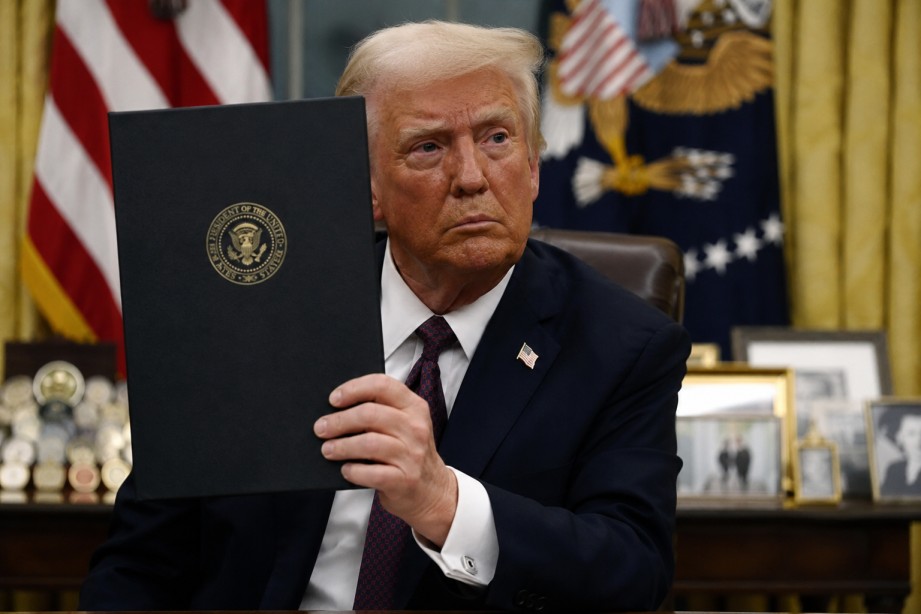
In a surprising political move, President Donald Trump dismissed Roger Rogoff from his role as the US Attorney for Western Washington shortly after his appointment and swearing-in. Rogoff, who boasts extensive experience as both a judge and a prosecutor on state and federal levels, received the news of his removal via email not long after assuming office. His appointment had been unanimously decided by federal judges, filling a vacancy left by the previous interim US attorney whose term had concluded. The abrupt decision has led Rogoff to consider pursuing legal action in response.
The situation arose when federal judges stepped in to appoint Rogoff due to the absence of a Senate-confirmed nominee for the position. This move was within their jurisdiction as the interim term had lapsed. However, the Trump administration justified Rogoff’s dismissal by asserting the president’s prerogative to remove any court-appointed temporary US attorneys, despite the judicial appointment process in place.
The president’s decision has sparked a heated debate concerning the balance of power between judicial appointments and executive authority. Critics have voiced concerns that such actions could potentially undermine the established procedures for selecting top federal prosecutors, traditionally involving more extensive vetting and confirmation processes.
Rogoff’s unexpected removal has put a spotlight on the ongoing tensions between the executive branch and the judiciary, especially in the context of filling key federal positions. As the debate continues, it raises questions about the future of judicial independence and the potential implications for the integrity of the legal system in the United States.