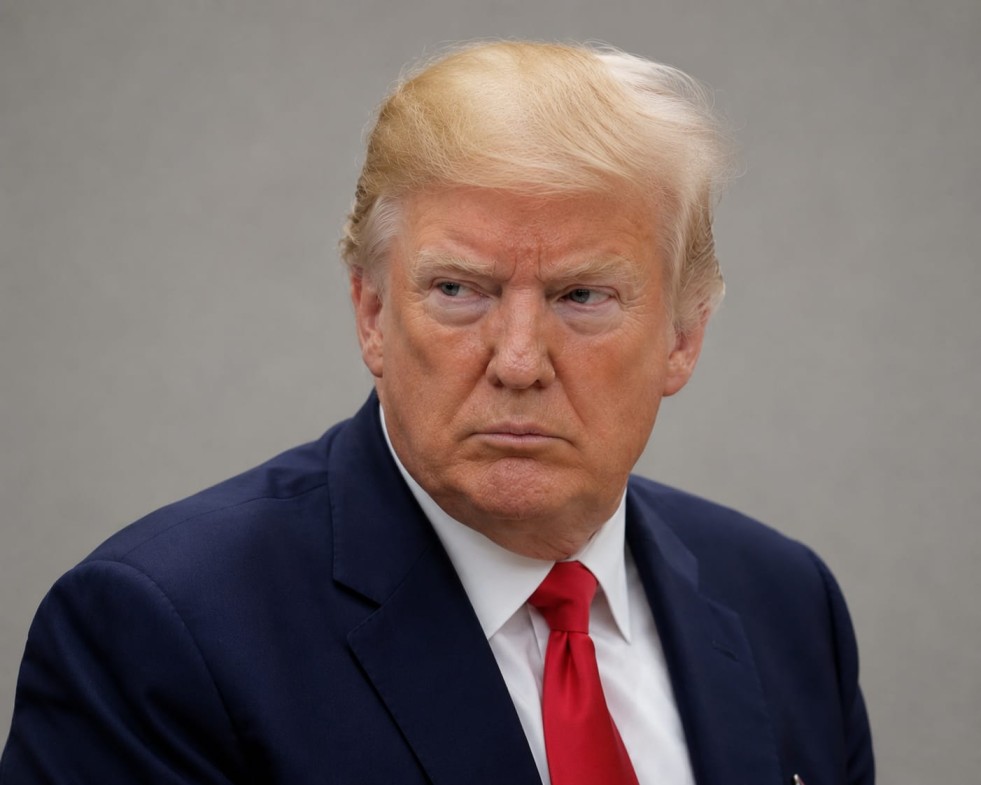
President Donald Trump has voiced criticism over the current dynamics of U.S. involvement in the North Atlantic Treaty Organization (NATO), describing the alliance as “one-sided” and lacking reciprocity. This critique comes ahead of the upcoming NATO summit set to take place in Ankara. Trump, through a social media post, expressed his frustration, pointing out that several NATO member countries did not extend their support to the U.S. during its conflict with Iran. He went on to describe the situation as “ridiculous,” arguing that it is unjust for Washington to bear an excessively large portion of the alliance’s defense responsibilities.
The issue of burden-sharing within NATO has been a recurring theme in Trump’s administration, with persistent calls for European allies to take on more of their defense responsibilities. In line with this stance, the U.S. government has already initiated measures to scale back certain defense commitments on the European continent. This approach underscores Trump’s broader strategy of encouraging NATO members to bolster their own defense capabilities.
In support of Trump’s stance, U.S. Secretary of State Marco Rubio has acknowledged the existence of tensions within the alliance. Rubio mentioned that the president is dissatisfied with the manner in which some NATO allies have responded to U.S. military actions in the Middle East. This issue is anticipated to be a focal point of discussions during the forthcoming summit, highlighting the ongoing challenges in maintaining cohesive defense cooperation among member nations.
The upcoming NATO summit in Ankara, scheduled for July 7–8, will gather leaders from the alliance’s 32 member countries. They are expected to engage in discussions focused on defense collaboration, addressing security challenges, and outlining future commitments. The meeting represents a critical opportunity for the alliance to address internal tensions and strategize on how to reinforce collective security measures in a rapidly changing global landscape.