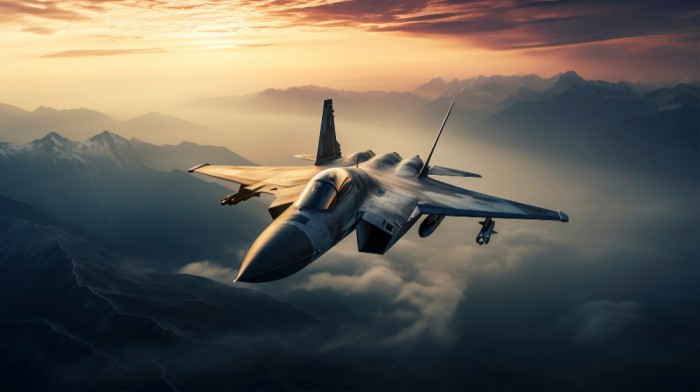
The United States has initiated a new series of military operations against Iran, marking a significant intensification in the ongoing tensions centered around the Strait of Hormuz. These recent strikes focused on dismantling Iranian military capabilities, with U.S. officials asserting that the actions were necessary to diminish Iran’s potential threat to commercial shipping and global maritime routes in the area.
President Donald Trump emphasized that the military actions were a response to hold Iranian forces accountable for their actions. In contrast, Iran reacted strongly, condemning the strikes and accusing the U.S. of undermining diplomatic efforts and rendering negotiations futile. This development follows Iran’s missile and drone assaults on U.S. military bases in various Gulf nations, alongside their announcement of new restrictions on movement through the critical Strait of Hormuz.
Iranian leaders have declared that the limitations on shipping through the strait will persist until stability is achieved within the region. This waterway is a pivotal route for the global energy supply, handling a substantial portion of the world’s oil and liquefied natural gas exports. The renewed hostilities have sparked global apprehension regarding security in this vital corridor, with the situation already influencing a rise in global oil prices amid fears of extended disruptions.
In the face of escalating hostilities, the U.S. continues to assert its commitment to ensuring freedom of navigation and the secure transit of commercial vessels through the region. Despite the heightened conflict, American forces remain poised to safeguard the safe passage of maritime traffic, underscoring the strategic importance of the Strait of Hormuz in global trade.