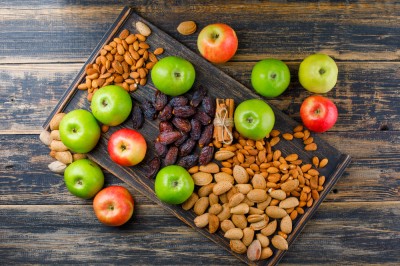
Deciding whether to include fresh fruits or dry fruits in your diet need not be a tough choice. Both types of fruits are rich in essential nutrients and provide distinct health advantages. The best choice largely depends on individual nutritional needs, lifestyle preferences, and mindful portion control. A well-balanced mix of both fresh and dry fruits in daily meals can enhance overall health and wellness.
Fresh fruits are abundant in water content, vitamin C, antioxidants, potassium, and dietary fiber. Their naturally high water content is particularly beneficial for hydration, making them an ideal option during warm weather. Fresh fruits also promote better digestion, support heart health, assist in weight management, and contribute to gut health, all while serving as a refreshing, low-calorie snack.
Dry fruits, on the other hand, are created by extracting most of the water from fresh fruits, which results in a more concentrated source of nutrients in smaller portions. They are packed with minerals such as iron, calcium, and magnesium, along with fiber and antioxidants. Nuts like almonds and walnuts, categorized under dry fruits, provide healthy fats and plant-based proteins, making them an excellent choice for sustained energy and comprehensive health benefits.
One notable contrast between fresh and dry fruits is their water content. Fresh fruits are high in water and have fewer calories per serving, whereas dry fruits are more calorie-dense due to the concentration of nutrients and natural sugars during the drying process. This underscores the importance of portion control with dry fruits. Fresh fruits are optimal for breakfast, mid-morning snacks, or pre-workout consumption as they offer hydration and natural energy. Dry fruits serve as a convenient snack, especially post-exercise, providing quick energy and a sense of fullness. Experts generally recommend limiting dry fruit consumption to about 30 grams daily to prevent excess calorie intake.
Several methods are employed to prepare dry fruits, such as sun drying, air drying, dehydrators, oven drying, freeze drying, and vacuum drying. These techniques help retain their nutrients while significantly extending shelf life. In summary, fresh fruits are an excellent choice for hydration and regular snacking, particularly in summer, while dry fruits are ideal for quick energy and nutrient-dense snacks during travel. Consuming both in moderation ensures a balanced intake of vitamins, minerals, fiber, and antioxidants essential for maintaining good health.