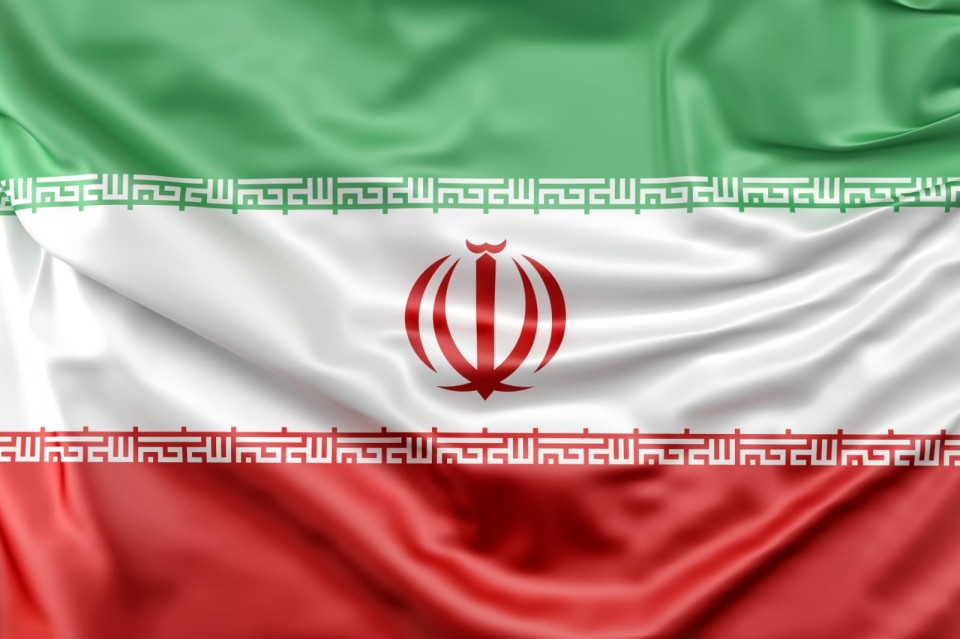
In a significant diplomatic move, Iran has consented to the return of United Nations nuclear inspectors, following a new accord with the United States. This development is part of a broader strategy to alleviate regional tensions and work towards a comprehensive diplomatic agreement. As outlined by US Vice President JD Vance, the understanding also includes the reopening of the crucial Strait of Hormuz and a 60-day waiver that would allow Washington to ease sanctions on Iranian oil, petrochemical, and derivative exports.
The agreement emerged after extensive negotiations, lasting nearly 18 hours, in Switzerland. These talks involved officials from both Iran and the United States, with Qatar and Pakistan playing key roles as mediators. Iranian Foreign Minister Abbas Araghchi, along with Vice President Vance, characterized the discussions as fruitful. They noted that technical teams are now tasked with ironing out details necessary for a comprehensive agreement over the next two months. The return of inspectors from the International Atomic Energy Agency (IAEA) marks a pivotal step in resuming independent monitoring, which was interrupted when Iran ceased cooperation following attacks on its nuclear sites last year. However, the scope and access to these damaged sites remain points of contention.
Another outcome of the negotiations is the establishment of a new coordination mechanism involving Washington, Tehran, and Beirut, intended to support a ceasefire in Lebanon. Iran has emphasized that halting Israeli military actions in Lebanon is crucial for the success of the broader agreement. Economic measures are also on the table, including the potential release of Iranian assets frozen in Qatar and easing restrictions on Iranian oil sales. These steps could alleviate inflationary pressures within Iran and improve its access to foreign currency revenues.
Despite the progress made, underlying tensions persist. US President Donald Trump has issued a warning that Washington may take further action should Iran fail to meet its commitments. Concurrently, Iranian officials have insisted that any final agreement will need the approval of Iran’s Supreme National Security Council. The focus in the coming weeks will be on implementing these initial understandings and assessing whether this framework can evolve into a lasting agreement concerning Iran’s nuclear program, sanctions relief, and broader regional security.