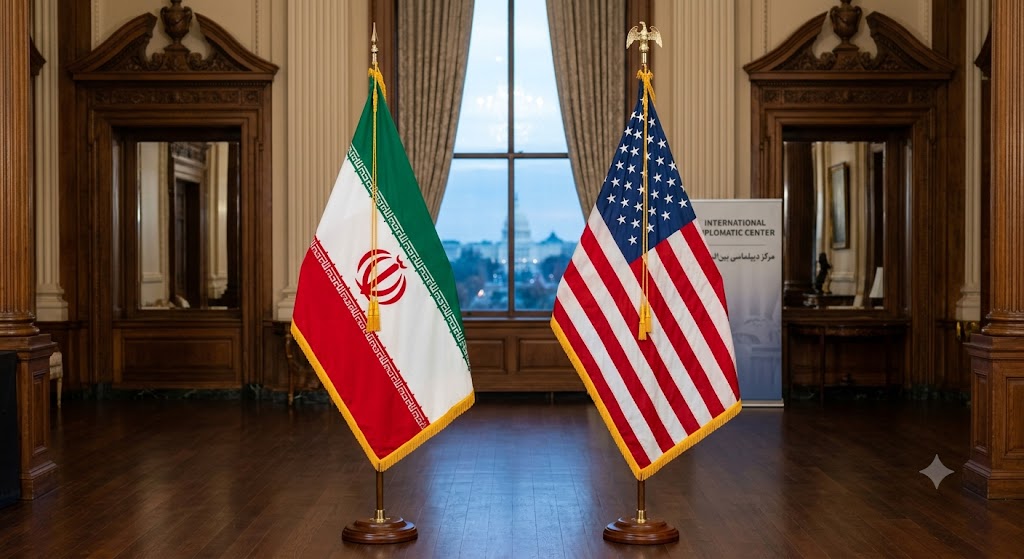
Ali Akbar Velayati, an advisor to Iran’s Supreme Leader, has issued a warning to neighboring countries in the Gulf region about the dangers of relying on U.S. support. His remarks come amid ongoing discussions about a potential agreement between Iran and the United States. Velayati emphasized that the stability of Gulf nations is intertwined with Iran’s role in overseeing the critical Strait of Hormuz, while accusing Western nations of sowing discord in the region.
These comments followed recent talks between U.S. officials and Gulf allies, where the United States highlighted the necessity of maintaining free shipping access through the Strait of Hormuz. American officials cautioned that any attempts to hinder or limit maritime movement in the area could escalate into a serious confrontation. The strategic waterway is vital for global energy supplies, with a substantial portion of the world’s oil and gas shipments passing through it.
Iran maintains that it plays a crucial part in regulating shipping activities through the Strait of Hormuz and has dismissed calls for unrestrained passage, insisting that its status as a coastal nation must be acknowledged. This stance has contributed to rising tensions, especially after reports of conflicts involving foreign vessels near the strait surfaced. The situation underscores the geopolitical importance of the region, which remains a focal point for international energy transportation.
Despite the heightened political tensions surrounding the Strait of Hormuz, oil prices have seen a decline. Market analysts attribute this dip to the belief that potential disruptions in supply may be contained, alleviating immediate concerns over energy shortages. Nonetheless, the ongoing disputes underscore the fragility of the situation and the risks associated with any escalation in the area.