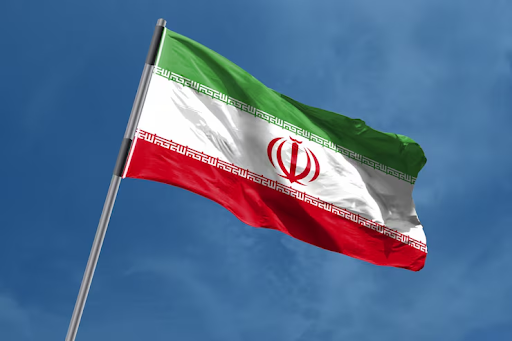
A carefully constructed US ceasefire proposal collapsed almost immediately upon reaching Tehran on Wednesday, as Iranian officials rejected the 15-point American framework and replaced it with a five-point plan of their own that set entirely different conditions for ending the war. Iran’s state broadcaster relayed the position of an unnamed official who said the country would fight on until its own terms were satisfied and would not allow Washington to dictate the terms of peace. The diplomatic collapse was cushioned somewhat by continuing back-channel contacts through regional intermediaries.
The rejected American plan had asked Iran to shut down its nuclear programme, accept limits on its missile arsenal, reopen the Strait of Hormuz, and in exchange receive sanctions relief. These were the same issues that had blocked pre-war diplomacy, and Iran found them no more acceptable now that fighting was actively underway. The foreign minister confirmed the document’s receipt but stated clearly that Iran was not interested in negotiating at this time. A senior Iranian official described the plan as extremely one-sided.
Iran’s own five conditions were equally demanding: a complete end to attacks on Iranian territory and officials, legally binding security guarantees, financial compensation for war damage, and uncontested Iranian control over the Strait of Hormuz. Military activity continued in full force throughout the diplomatic exchanges. Israel struck targets across Iran including a submarine development facility in Isfahan, and Iran responded with ballistic missiles and drones targeting Israel and Gulf nations, starting a large fire at Kuwait’s international airport and prompting the arrest of suspected Hezbollah operatives there.
The US military’s campaign had, by its own accounting, been devastating. Admiral Brad Cooper stated that more than 10,000 targets had been struck in Iran, 92% of its largest naval vessels destroyed, and two-thirds of its missile and drone production severely damaged or eliminated. Despite these losses, Iran remained operationally active and strategically defiant, issuing serious warnings about carpet-bombing its own territory and attacking Red Sea shipping routes if a ground operation materialised. Thousands more American troops were being sent to the region, adding to the military pressure.
Domestically, the war’s toll on the Trump administration was significant and growing. His approval rating had fallen to 36% — a record low — and nearly three in five Americans believed the war had gone too far. Oil prices remained elevated due to the Hormuz closure. China, Egypt, Pakistan, and Turkey all remained engaged in diplomatic outreach, and the possibility of direct talks by Friday remained alive. But the gulf between the two sides’ stated peace conditions was vast, and neither had shown readiness to make the concessions necessary for a genuine breakthrough.